
Course Overview
Hello, and welcome to Trauma-informed Education: Learning, Growth, and Cultivating Care. We are delighted that you decided to join us on this journey. This course is designed to be an inclusive and supportive environment where your distinctive perspectives and contributions are valued. We aim to provide you with resources and guidance help you grow in your knowledge and skills in trauma-informed care. Together, we will explore the course material in ways that you will hopefully find engaging, challenging, and enriching.
To begin, please take a moment to review the video below in which Dr. Mays Imad welcomes you to the course and gives an overview of the its content.
To review the video in full-screen, click the four-cornered box in the bottom right corner. To review the video with captions, click the “cc” symbol. To read the transcript of this video, click on the paper and magnifying glass icon in the bottom right corner.
Course Information
Course Description
Focused on teaching and learning spaces, this course equips educators and practitioners with essential knowledge and skills needed to implement trauma-informed practices in their respective contexts. As a participant, you will explore the prevalence and impact of trauma on student learning, behavior, and development. The course covers strategies for creating safe, supportive classroom environments and recognizing trauma responses. You will learn trauma-sensitive teaching methods, techniques for fostering student resilience, and approaches to support emotional regulation. Through a combination of theoretical foundations and practical applications, this course empowers educators to cultivate learning environments that promote healing, resilience, and academic success for all students, particularly those affected by trauma. We will place emphasis on cultural considerations and adaptable strategies for diverse educational contexts.
Learning Objectives
By the end of this course, you will be able to:
- Explain the impact of trauma on student learning and behavior.
- Respond to signs of trauma in students while considering cultural and contextual factors.
- Develop and apply trauma-informed teaching practices that support students’ emotional regulation, resilience, and coping skills.
- Implement trauma-sensitive strategies to create a safe and supportive classroom environment that promotes student well-being and academic success.
Learning Materials & Activities
All material required to achieve the learning outcomes for this course is provided here on the website. You are encouraged to keep a journal or notebook to help record your observations, organize your thoughts, and track your progress. An important component of the course is its promotion of self-reflection; by regularly recording notes and key concepts, you will create a valuable resource to which you can refer throughout the course and beyond.
The learning activities have been designed to actively engage you with the material, encouraging deeper understanding through practical application and critical thinking. They are meant to complement each other and provide different ways for you to demonstrate your learning–individually and as a collective. Activities include:
Watch & Learn – Video Content

A significant portion of the course subject matter is presented via instructor-led videos. These appear at the beginning of each section in a session and offer you the flexibility to learn at your own pace. These videos serve as a valuable resource that allow you to revisit and review material as needed throughout the duration of the course.
Check Your Learning – Activities

These are short multiple-choice activities designed to assess your understanding of key concepts and reinforce your learning through immediate feedback. They appear at various points throughout a session and are meant to help you identify areas where you may need further study, ensuring that you stay on track with the course material.
Apply Your Learning – Private Reflections
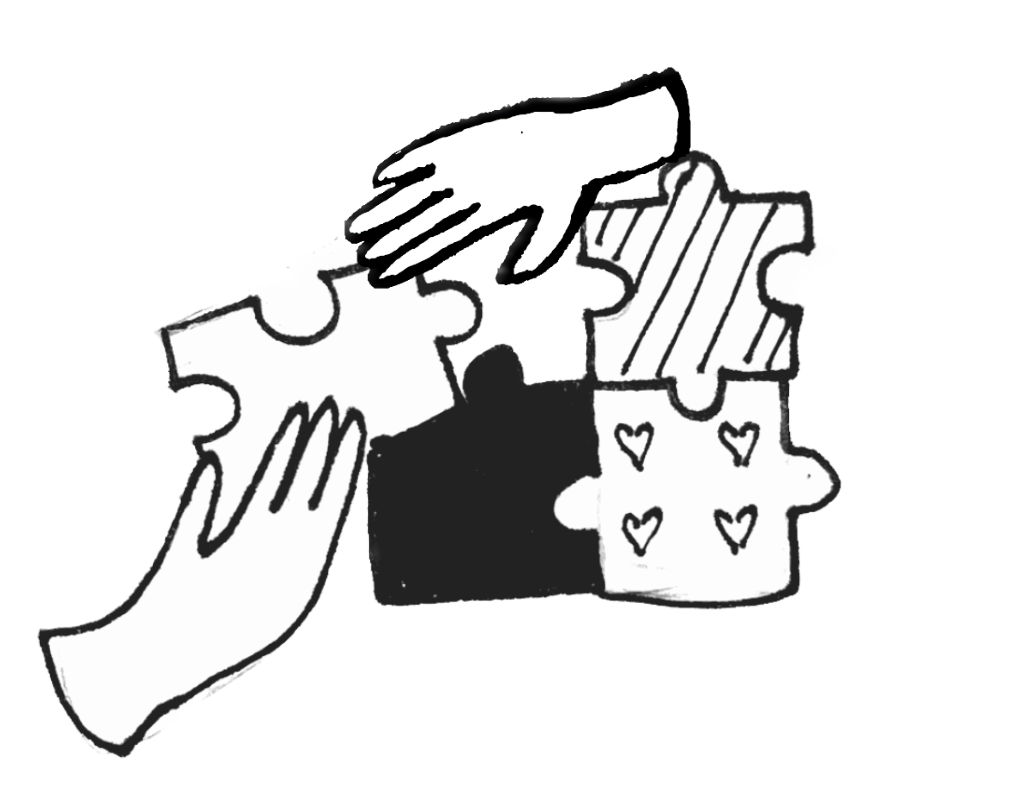
These activities are intended to give you the opportunity to thoughtfully consider your learning experiences and help you connect new knowledge with your existing understanding. These activities encourage self-assessment and personal growth, allowing you to critically evaluate your progress and identify areas for improvement. Record these reflections in your medium of choice (a physical paper journal, etc.).
Community Reflection Discussions

These activities are designed to facilitate meaningful dialogue and exchange of ideas among our peers, enriching your understanding of the material through diverse perspectives. Ideally, these discussions will encourage your active participation, critical thinking, and collaboration, helping you to articulate your thoughts clearly and engage with the viewpoints of others. Because your success in the course depends upon engaging meaningfully and constructively with its ideas and with the ideas of other participants, all of the discussion forums activities are required.
Go Deeper
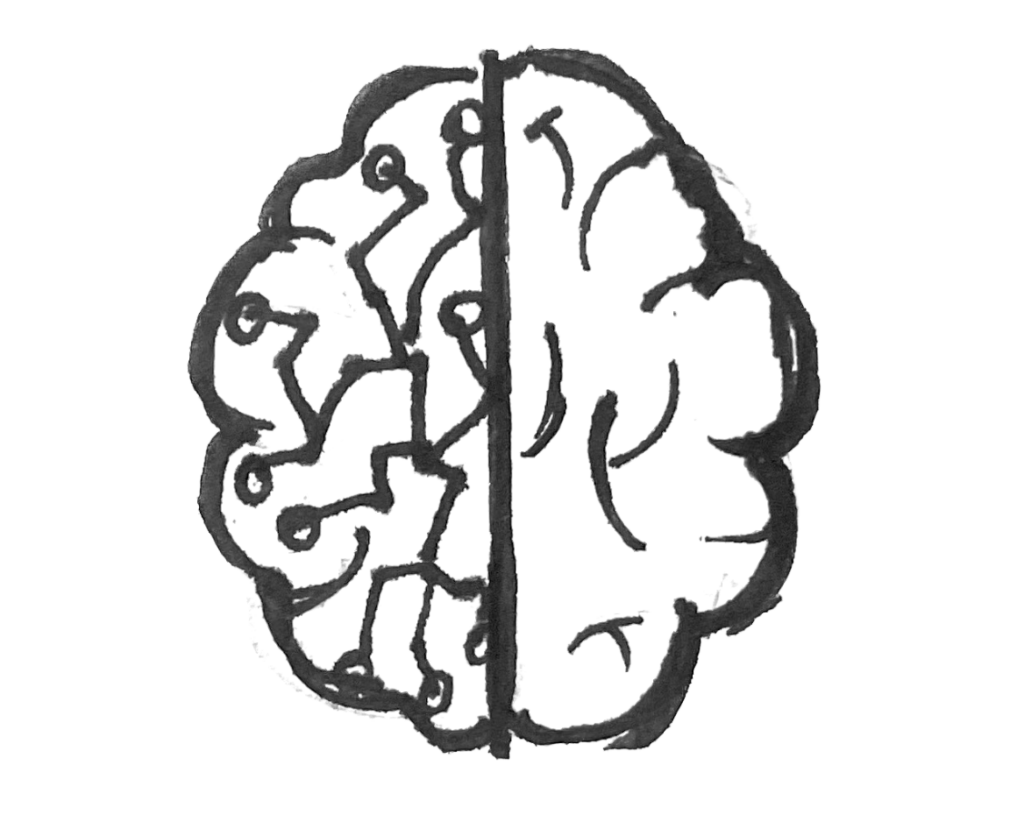
After exploring the module, you may wish to go deeper into the material and continue your learning. Use these sections to explore the next level of resources and expand your understandings. You might find new resources here or continuations of videos and readings from throughout the course.
Final Learning Project

The purpose of this final project is to provide an opportunity for you to apply what you have learned about trauma-informed education in a meaningful and creative way. Whether through research, a practical application, or a creative endeavor, your final project is expected to reflect a deep understanding of the course material, your ability to think critically about the subject matter, and your sense of how your learning in the course can be applied to your particular context. Final projects will become open educational resources (OER*) for both participants in the course and other colleagues interested in trauma-informed educational practices.
*Open Educational Resources (OER) are learning, teaching and research materials that reside in the public domain or are under copyright that have been released under an open license, that permit no-cost access, re-use, re-purpose, adaptation and redistribution by others. Open license refers to a license that respects the intellectual property rights of the copyright owner and provides permissions granting the public the rights to access, re-use, re-purpose, adapt and redistribute educational materials.